

The Critical Role of Regular HVAC Maintenance for Efficiency and Indoor Air Quality

Heating, ventilation, and air conditioning (HVAC) systems play a vital role in maintaining comfort and air quality in homes and workplaces. Yet, many people overlook the importance of regular HVAC maintenance until a problem arises. Neglecting routine care can lead to decreased efficiency, higher energy bills, and poor indoor air quality. This post explains why consistent HVAC maintenance is essential, how often it should be scheduled, common issues to watch for, and the potential cost savings. It also highlights how a well-maintained system improves indoor comfort and air quality.

Why Regular HVAC Maintenance Matters
HVAC systems are complex machines with many moving parts. Over time, dust, dirt, and wear can reduce their performance. Regular maintenance keeps these systems running smoothly and efficiently. Here are some key reasons to prioritize HVAC care:
Improved Energy Efficiency
A clean and well-tuned HVAC system uses less energy to heat or cool a space. For example, replacing dirty filters and cleaning coils can reduce energy consumption by up to 15%. This means lower utility bills and less strain on the environment.
Extended Equipment Lifespan
Routine inspections catch small problems before they become major repairs. Addressing issues like worn belts or refrigerant leaks early can add years to the life of your system, protecting your investment.
Better Indoor Air Quality
HVAC systems circulate air throughout your home or office. Dirty filters and clogged ducts can spread dust, allergens, and pollutants. Regular maintenance ensures cleaner air, which benefits everyone’s health, especially those with allergies or respiratory conditions.
Consistent Comfort
A system in good condition maintains steady temperatures and humidity levels. This prevents hot or cold spots and keeps your living or working space comfortable year-round.
How Often to Schedule HVAC Maintenance
Scheduling maintenance depends on the type of system, its age, and usage. Here are general guidelines:
Twice a Year
Most experts recommend servicing your HVAC system twice annually: once before the heating season and once before the cooling season. This ensures your system is ready for heavy use and can handle seasonal demands.
Monthly Filter Checks
Filters should be checked every month and replaced or cleaned as needed. Homes with pets or smokers may require more frequent filter changes.
After Major Repairs or Upgrades
If you’ve had a significant repair or installed new components, schedule a follow-up inspection to confirm everything is working correctly.
Common HVAC Issues to Watch For
Knowing what to look for can help you catch problems early. Here are some signs that your HVAC system needs attention:
Unusual Noises
Grinding, squealing, or rattling sounds may indicate loose parts, motor issues, or debris in the system.
Inconsistent Temperatures
Rooms that are too hot or cold could mean airflow problems or failing components.
Increased Energy Bills
A sudden spike in utility costs often signals inefficiency caused by dirty filters, refrigerant leaks, or malfunctioning parts.
Poor Airflow
Weak airflow from vents can result from clogged ducts, dirty filters, or blower motor problems.
Frequent Cycling
If your system turns on and off more often than usual, it may be short-cycling due to thermostat issues or overheating.
How Regular Maintenance Saves Money
Investing in routine HVAC care can lead to significant savings over time:
Lower Repair Costs
Catching small issues early prevents costly breakdowns. For example, fixing a refrigerant leak promptly avoids compressor damage, which can cost thousands to replace.
Reduced Energy Bills
Clean filters and coils improve efficiency, cutting energy use by up to 15%. Over a year, this can save hundreds of dollars.
Longer Equipment Life
Extending the lifespan of your HVAC system delays the need for expensive replacements, which can cost several thousand dollars.
Avoid Emergency Repairs
Scheduled maintenance reduces the risk of unexpected failures during extreme weather, saving you from costly emergency service fees.
The Impact on Indoor Air Quality and Comfort
Indoor air quality affects health, productivity, and overall well-being. HVAC systems that are not maintained can circulate dust, mold spores, and allergens. Regular maintenance helps by:
Replacing or Cleaning Filters
High-quality filters trap airborne particles, reducing allergens and irritants.
Cleaning Ductwork
Removing dust and debris from ducts prevents contaminants from spreading.
Controlling Humidity
Properly functioning HVAC systems regulate humidity, reducing mold growth and improving comfort.
Ensuring Proper Ventilation
Maintenance checks confirm that fresh air is circulating, preventing stale or polluted indoor air.
Practical Tips for Maintaining Your HVAC System
Here are some simple steps homeowners and building managers can take to keep HVAC systems in top shape:
Change Filters Regularly
Set a reminder to check filters monthly and replace them every 1-3 months depending on usage.
Keep Outdoor Units Clear
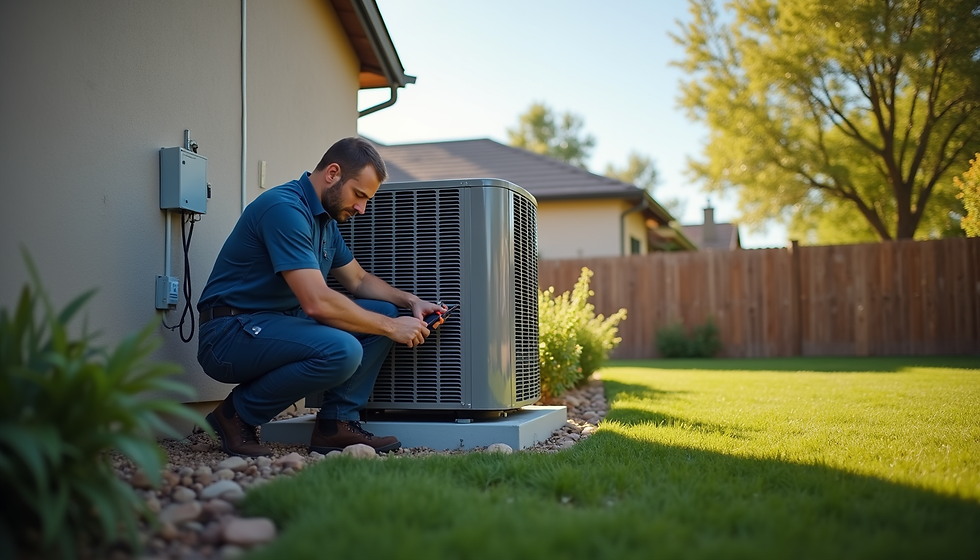
Remove leaves, dirt, and debris from around outdoor condenser units to ensure proper airflow.
Schedule Professional Inspections
Hire a licensed technician twice a year for thorough cleaning, lubrication, and system checks.
Monitor Thermostat Settings
Use programmable thermostats to avoid unnecessary system strain and save energy.
Listen and Look for Problems
Pay attention to unusual noises, smells, or performance changes and address them quickly.
Final Thoughts on HVAC Maintenance
Regular HVAC maintenance is not just a convenience; it is essential for saving money, improving comfort, and protecting health. By scheduling routine inspections, changing filters, and addressing issues early, you ensure your system runs efficiently and lasts longer. Cleaner air and consistent temperatures make your home or workplace a healthier, more comfortable place to be. Prioritize HVAC care today to enjoy these benefits year-round and avoid costly surprises.


Comments